- DIRECT CONTACTS:
- +256 793661636
- +256 793661622
- info@claireafricasafaris.com
Uganda Takes Back Rhino to Ajai Wildlife Reserve. Uganda has reached a remarkable milestone in its conservation journey with the successful return of rhinos to Ajai Wildlife Reserve. This historic move marks the first-ever translocation of rhinos within Uganda, symbolizing a powerful step toward restoring the country’s lost wildlife heritage. Once extinct in the wild due to poaching and habitat destruction, rhinos are now reclaiming their rightful place in Uganda’s protected landscapes.
The relocation of four southern white rhinos from Ziwa Rhino Sanctuary to Ajai Wildlife Reserve represents more than just wildlife movement—it is a national statement of commitment to conservation, biodiversity restoration, and sustainable tourism. This initiative, spearheaded by the Uganda Wildlife Authority (UWA) in partnership with conservation stakeholders, sets the stage for Ajai Wildlife Reserve to once again become a thriving sanctuary for rhinos and other wildlife species.
A Brief History of Rhinos in Uganda
Uganda was once home to both black rhinos and white rhinos, roaming freely across national parks and reserves such as Murchison Falls National Park, Kidepo Valley National Park, and Ajai Wildlife Reserve. By the 1960s and early 1970s, Uganda had an estimated 300 rhinos, forming a critical part of the country’s Big Five wildlife.
However, decades of political instability, civil unrest, and rampant poaching during the 1970s and 1980s led to catastrophic losses. By the early 1980s, rhinos were declared extinct in Uganda’s wild. Ajai Wildlife Reserve, which had been established as a White Rhino Sanctuary in 1962, lost its last rhino during this dark chapter.
The extinction of rhinos was not just a wildlife tragedy—it deeply affected tourism, ecosystems, and Uganda’s global conservation standing.
The Role of Ziwa Rhino Sanctuary in Rhino Recovery
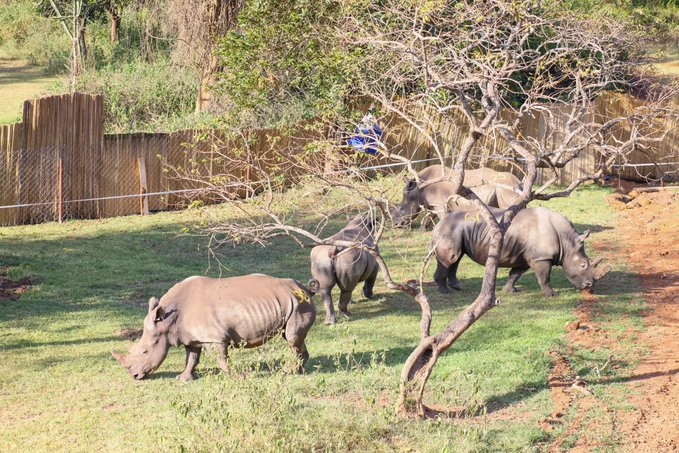
The rebirth of rhinos in Uganda began in 2005 with the establishment of Ziwa Rhino Sanctuary in Nakasongola District. Ziwa was created specifically to reintroduce rhinos into Uganda, serving as a breeding and protection center under round-the-clock armed surveillance.
Through careful management, veterinary care, and community involvement, Ziwa Rhino Sanctuary has grown its rhino population from six individuals to over 40 rhinos. This success made it possible for Uganda to consider expanding rhino conservation beyond a single sanctuary.
The translocation to Ajai Wildlife Reserve would not have been possible without Ziwa’s long-term success, making the sanctuary a cornerstone of Uganda’s rhino conservation strategy.
Why Ajai Wildlife Reserve Was Chosen
Ajai Wildlife Reserve holds immense historical, ecological, and strategic value in Uganda’s conservation landscape.
Historical Significance
Ajai was originally gazetted as a White Rhino Sanctuary in 1962, making it one of the earliest protected areas in Uganda specifically designated for rhino conservation. Returning rhinos to Ajai restores the reserve’s original purpose and identity.
Ideal Habitat
Located on the west bank of the River Nile, Ajai Wildlife Reserve features a mix of riverine swamps, savannah woodland, and grasslands—ideal habitat conditions for white rhinos. The availability of water, grazing areas, and minimal human settlement makes it a suitable long-term home.
Conservation Expansion
With rhino numbers increasing at Ziwa, creating additional secure habitats reduces overcrowding, lowers disease risks, and strengthens Uganda’s national rhino population.
The Historic Rhino Translocation Exercise
In a carefully planned and professionally executed operation, four southern white rhinos—two males and two females—were successfully moved from Ziwa Rhino Sanctuary to Ajai Wildlife Reserve.
Planning and Preparation
The operation involved months of planning, including:
- Veterinary health assessments
- Habitat suitability studies
- Security evaluations
- Community engagement programs
Each rhino was sedated by experienced wildlife veterinarians and transported under strict safety protocols to ensure minimal stress and zero injury.
Security Measures
Given the history of rhino poaching, security was a top priority. Ajai Wildlife Reserve has been equipped with:
- Armed ranger patrols
- Surveillance systems
- Monitoring technologies
These measures ensure the rhinos are protected 24/7.
Ecological Importance of Rhinos in Ajai Wildlife Reserve
Rhinos play a vital role in maintaining healthy ecosystems.
Landscape Engineers
White rhinos are bulk grazers that help shape grassland structure. By grazing extensively, they prevent bush encroachment and promote the growth of fresh grasses, benefiting other herbivores.
Biodiversity Boost
Their presence enhances habitat diversity, supporting species such as antelopes, birds, and insects. Rhinos also create pathways and wallows that other animals use.
Ecosystem Balance
Reintroducing rhinos restores ecological processes that were lost decades ago, helping Ajai Wildlife Reserve regain its natural balance.
Boosting Tourism in Northern Uganda
The return of rhinos to Ajai Wildlife Reserve is expected to transform tourism in West Nile and Northern Uganda.
New Rhino Tracking Experiences
Just like Ziwa Rhino Sanctuary, Ajai has the potential to offer guided rhino tracking experiences in the future, providing visitors with close encounters in a natural setting.
Diversifying Uganda’s Safari Circuit
Ajai Wildlife Reserve adds a new attraction for travelers heading to:
- Murchison Falls National Park
- Arua and West Nile cultural sites
- The River Nile corridor
This helps spread tourism benefits beyond traditional safari destinations.
Economic Opportunities
Increased tourism means:
- Job creation
- Community enterprises
- Improved infrastructure
Local communities stand to gain directly from conservation-driven tourism.
Community Involvement and Conservation Awareness
Successful wildlife conservation depends heavily on community support. The rhino reintroduction program at Ajai Wildlife Reserve includes strong community engagement initiatives.
Education and Sensitization
Local communities are educated about:
- The value of rhinos
- The benefits of conservation
- Human-wildlife coexistence
Livelihood Opportunities
Tourism and conservation activities create alternative livelihoods, reducing dependence on illegal activities such as poaching and habitat encroachment.
Shared Responsibility
By involving communities as stakeholders, UWA ensures that conservation becomes a shared mission rather than an imposed restriction.
Challenges Facing Rhino Conservation in Uganda
Despite this success, rhino conservation remains a complex and resource-intensive effort.
Poaching Threats
Rhino horn remains highly valuable on illegal markets, requiring constant vigilance and security investment.
Funding Constraints
Long-term conservation requires sustained funding for ranger salaries, equipment, veterinary care, and infrastructure.
Climate Change
Changing weather patterns can affect water availability and vegetation, requiring adaptive management strategies.
Uganda’s proactive planning and partnerships are essential to overcoming these challenges.
The Bigger Picture: Uganda’s Rhino Reintroduction Plan
The return of rhinos to Ajai Wildlife Reserve is part of a broader national strategy to fully restore rhinos to Uganda’s national parks.
Future Goals
- Establish self-sustaining rhino populations
- Reintroduce rhinos to Murchison Falls National Park
- Achieve Big Five status across multiple protected areas
Ajai Wildlife Reserve now plays a critical role as a secondary rhino population site, supporting genetic diversity and population growth.
What This Means for Uganda’s Conservation Future
Uganda’s success in bringing rhinos back to Ajai Wildlife Reserve sends a powerful message to Africa and the world: extinction is not irreversible when commitment, planning, and collaboration come together.
This milestone:
- Strengthens Uganda’s conservation reputation
- Inspires regional wildlife recovery efforts
- Reinforces the importance of protected areas
It proves that with patience and dedication, lost wildlife can return home.
Visiting Ajai Wildlife Reserve Today
While Ajai Wildlife Reserve is still developing its tourism infrastructure, it offers visitors:
- Scenic wetlands and savannah landscapes
- Birdwatching opportunities
- Cultural interactions in West Nile
With rhinos now present, the reserve is poised to become one of Uganda’s most exciting emerging wildlife destinations.
A Symbol of Hope and Restoration
The return of rhinos to Ajai Wildlife Reserve is more than a conservation achievement—it is a symbol of hope, resilience, and national pride. After decades of absence, rhinos are once again walking Ugandan soil where they belong.
This historic translocation reflects Uganda’s unwavering commitment to protecting its natural heritage and ensuring future generations experience the country’s rich wildlife. As Ajai Wildlife Reserve reclaims its identity as a rhino sanctuary, Uganda takes one confident step closer to a fully restored Big Five legacy.
Request for a Quote
Start planning your adventure trip today with a professional expert available to help you 24/7. Encounter Africa on your own terms.
Request a Quote +256 793661636